How to Integrate AI in Fundraising Without Compromising Your Values
Artificial intelligence can help nonprofits work smarter, personalize outreach, and increase capacity, but it can also amplify bias, weaken trust, and outpace governance if teams adopt it carelessly. This session focuses specifically on nonprofit organizations, with a special emphasis on fundraising, donor relationships, and mission integrity.
The talk draws on the Framework for Responsible and Beneficial AI for Fundraising, a sector-specific framework developed through Fundraising.AI, and it reflects Anne Murphy's role as a co-author of that work. Instead of treating AI as a shiny tool problem, the session frames it as a leadership, ethics, and stewardship challenge.
This talk helps nonprofit leaders answer a harder question than "Should we use AI?" It asks, "How do we use AI in ways that strengthen trust, protect constituents, and align with our values as fundraisers?"
- Why nonprofit AI adoption must start with mission, not vendor promises.
- How fundraising creates unique ethical pressures around donor data, prediction, persuasion, and power.
- Where AI can support fundraising work responsibly, including research, drafting, segmentation support, and administrative efficiency.
- Where organizations need sharper guardrails, especially in profiling, donor scoring, personalization, and opaque third-party tools.
The Framework Lens
The session translates the Responsible AI Framework for fundraising into practical nonprofit decision-making. That includes emphasizing principles such as privacy and security, transparency, accountability, fairness, human oversight, and social benefit in the specific context of fundraising operations.
- What donor data should never enter an AI workflow.
- Which fundraising decisions require human judgment and cannot be handed to automation.
- How to evaluate whether an AI tool improves relevance without crossing into manipulation.
- How to protect trust while still experimenting and learning.
What Audiences Gain
- Identify high-value, lower-risk AI use cases in fundraising.
- Spot ethical risks before they become donor trust problems.
- Use the Framework as a practical filter for policy, purchasing, and implementation decisions.
- Build a clearer internal stance on what responsible AI adoption looks like for their organization.
Why This Talk Matters
Fundraising runs on trust, and trust erodes fast when technology moves ahead of values. Nonprofits do not need to choose between innovation and integrity, but they do need a disciplined framework for making decisions before convenience starts driving strategy.
This talk gives nonprofit audiences a grounded, sector-specific path forward — adopt AI where it serves the mission, reject it where it compromises stewardship, and lead with the values donors and communities already expect them to uphold.
What Audiences Say
About Anne Murphy
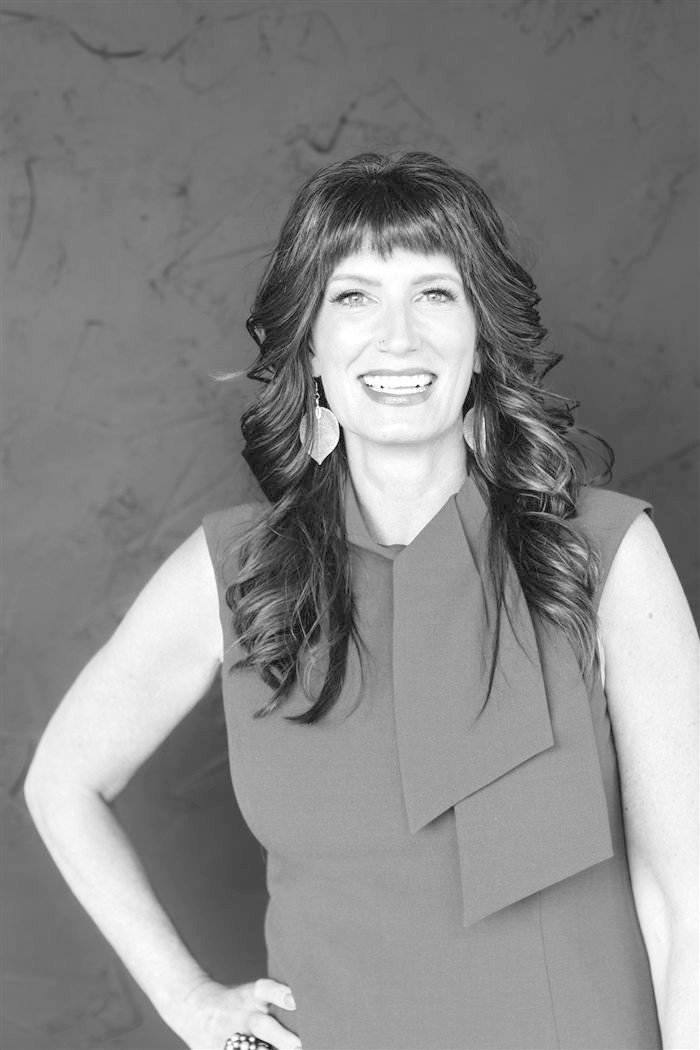
Anne Murphy is Founder & CEO of Empowered Fundraiser Consulting, with 35 years in fundraising and more than $10 billion in campaigns.
Questions About Responsible AI Education for Fundraisers
Who is this responsible AI fundraising session for?
The session is for nonprofit fundraisers and leaders considering how AI fits their work. It connects practical uses of AI with donor trust and professional judgment.
What ethical questions does the session address?
The session addresses donor privacy, bias, transparency and accountability, and human oversight. Participants consider how these responsibilities affect the tools they choose and the information they use.
How does this session inform an organization’s AI decisions?
Participants examine appropriate AI use cases and the decisions involved in policy, purchasing, and implementation. The discussion connects AI adoption with the organization’s values and responsibilities to its stakeholders.