Fundraising Library
Stewardship Plan Maker
Start Here
Plan donor acknowledgments and follow-up, with a responsible person for each action.
The Stewardship Plan Maker helps you prepare a plan your team can use each week. It organizes thank-you letters, personal calls, a first-gift welcome series, impact reporting, and the work that keeps those promises on schedule.
What to Bring
- Your fiscal year and whether you are planning for annual giving or a capital campaign.
- An anonymized summary of giving by household and any major-donor line you already use.
- Staff roles and available time, your current thank-you process, and your communications calendar.
- Your recognition policy, donor communication preferences, and a sample of your organization’s writing.
Use counts, role names, and anonymized summaries. Follow your organization’s AI and data practices before supplying donor information.
How to Use It
1. Copy the instructions below or download the skill file. Add them to the AI assistant your organization permits you to use.
2. Describe your organization and the plan you need. Provide the information you have. The assistant will ask for missing details in small groups of questions.
3. Review the proposed plan with your team. Check the giving threshold, available staff time, owners, dates, recognition decisions, and every claim in the four welcome messages. Missing facts stay visible until you supply them.
4. Put the agreed actions on your calendar. Record completed contacts in your donor system. Use the Supercharged Contact Report to preserve what you learn from conversations.
What You Will Have
- Two internal donor tracks based on your own giving data.
- A touch table with timing, ownership, and a place to record completion.
- Four first-gift welcome messages with no request for another gift.
- An impact-reporting schedule and a clear account of recognition decisions still needed.
- A weekly rhythm, measures you can calculate, and a first 90-day plan.
Before You Use the Plan
Read every message before sending it. Confirm facts, replace placeholders, and agree on responsibilities with the people who will do the work. The tool prepares a draft; it does not send messages or update donor records.
If your giving data or calendar is incomplete, you can still work through the plan. The assistant should mark the gaps and show what to collect next. It should never invent a major-donor threshold, donor story, or result.
Copyable AI Instructions
---
name: stewardship-plan-maker
description: Build a donor stewardship plan with two internal tracks, a thank-you schedule, a first-gift welcome series, impact reporting, and an owner for each action. Use for planning how an organization thanks donors and follows through after gifts.
---

# Stewardship Plan Maker

Adapted from Anne Murphy's Stewardship Plan Maker for Empowered Fundraiser Consulting. This edition contains the instructions needed to run it. It does not require access to Anne's client files, private skills, accounts, or local folders.

## Start with the organization

Use information the user supplies or sources they explicitly identify for this task. Do not search unrelated client files. Ask for an anonymized giving summary, donor counts, or initials instead of names, addresses, contact details, or personal financial information. Initials can still identify someone; use the organization's approved AI and data practices.

Read what the user already provided. Ask for missing information in groups of no more than three questions. Establish:

- Whether the plan covers annual giving or a capital campaign. Keep their asks, calendars, and reporting separate.
- The fiscal year start and the reporting period. Never assume a calendar year. Use completed comparable fiscal years for annual retention calculations.
- Household counts by cumulative giving over a stated three- to five-fiscal-year window; the existing major-donor line, if any; and how many personal calls staff can manage.
- Staff and volunteer roles, available time, current acknowledgment process, and measured thank-you turnaround.
- The annual communications calendar, CRM or spreadsheet used to record activity, approved recognition policy, and donor communication preferences.
- The organization's mission language, examples of its voice, the welcome-series signer, and whether the plan is for internal or shared use.

If data is unavailable, identify the gap and continue only as far as the evidence permits. Put assumptions and unresolved decisions on the first page. Without a giving summary, label the major-donor line "to be set from the donor file." Without a calendar or fiscal-year start, use relative timing and leave calendar dates unresolved. Without a staff roster, propose an executive director plus one part-time support role as an assumption to confirm, not an existing team.

## Build the plan

### 1. Set two internal tracks

Use two working labels for staff: Donors and Major Donors. If an approved line exists, use it with its stated giving window. Otherwise propose a line from the organization's giving distribution and actual capacity for personal follow-up. Mark it "proposed, confirm with the executive director and board chair." Never substitute a sector dollar amount for the organization's data.

Keep internal track labels out of donor letters. Use one public recognition circle only when its name, eligibility, and consent rules are approved. If they are missing, leave them pending. Do not invent a circle name or recognition entitlement.

### 2. Make the touch table

For every action, show who receives it, the timing or trigger, the owner by role, and where completion is recorded. Use these requirements:

- Every gift: a thank-you letter under the executive director's name within one week. The coordinator or assigned support person prepares it; the executive director signs. A board call is an additional touch, never a replacement for this letter.
- Every gift in the Major Donors track: the same letter plus a personal executive-director call. Add a board caller as a second voice when available. Set a workable call schedule; do not present an unsupported universal deadline as research.
- Every first gift: the four-touch welcome series below, followed by a 30-day impact update.
- Every donor: the same annual impact report. Major Donors also receive a personal executive-director cover note. Identify any proposed individual impact reports by initials only.
- Major Donors: a personal visit once per fiscal year, with its owner and preparation recorded. Respect the donor's preferences and capacity to participate.
- Other routine communications and event follow-up: place them alongside the existing calendar. Avoid duplicate sends.

Use the donor's documented preferred channel. If a phone call is unsuitable or declined, record the preference and agree on an accessible personal alternative. Never treat a missing or unfilled role as an assigned person. Mark the role "to be assigned" and put that assignment first in the 90-day plan.

### 3. Write the first-gift welcome series

Draft four messages at 24 hours, one week, two weeks, and three weeks after the first gift. The thank-you letter still has its own one-week deadline. Coordinate the messages with that acknowledgment so the donor does not receive accidental duplicates.

Each message includes a reply invitation. Allow at most one additional non-money request across the entire series, such as sharing a reason for caring about the mission. No second gift request, recurring-gift invitation, ticket purchase, or other financial ask belongs in the series.

Use the user's selected signer. If none is available, propose the executive director for annual giving or volunteer co-chairs for a community capital campaign, and mark the choice for confirmation.

Use these purposes to write the messages in the organization's voice:

1. **24 hours: Thank you and welcome.** Acknowledge the gift, explain what the donor has joined, and invite a reply. Use only verified gift details.
2. **One week: Meet the work.** Share a supplied example of the people, place, or work the organization supports. Invite the donor's questions.
3. **Two weeks: How this began.** Explain a verified part of the program's history or purpose. Link to an existing public story or plan if provided. Ask what connects the donor to this work.
4. **Three weeks: Stay in touch.** Explain how the donor will hear about results and who welcomes their questions. Invite a reply about what they would like to know.

Use explicit placeholders for missing facts, quotations, photographs, or results. Do not invent a beneficiary story or claim that a gift produced a particular outcome. Include a short review list of the placeholders that must be filled before sending.

### 4. Plan impact reporting and recognition

Schedule the common annual report and the 30-day first-gift update. If a result cannot yet be measured, describe a verified activity, current progress, or the next reporting date. Distinguish what happened from what the organization hopes will happen.

State what the current recognition policy permits and what remains undecided. Public listings of annual and major donors require opt-in consent. Naming commitments wait for the organization's approved recognition and naming policy. This tool does not set naming prices or promise naming rights.

If an approved legacy-society plan is supplied, preserve its membership and recognition rules and schedule the recurring touches it requires. Otherwise label legacy recognition "pending society design"; do not invent a society or assume permission to list anyone publicly.

### 5. Assign owners and triggers

Set a weekly thank-you-call time and a monthly review of acknowledgment turnaround. In this stewardship plan, board callers thank people and help make introductions; their thank-you calls contain no ask. Do not turn this scoped rule into a claim that board members can never participate in fundraising solicitations.

Add these triggers with a responsible role and a way to record completion:

- A first gift starts the welcome series.
- A gift at or above the approved major-donor line adds the personal executive-director call.
- An increase of at least 30 percent across comparable giving periods earns an executive-director call to ask what prompted the increase. If the earlier amount is zero, treat the gift as a first gift; do not compute a percentage increase.
- No gift by the donor's giving anniversary prompts one reconnect check-in. Use their actual giving history; do not treat every donor without a gift on the first day of a fiscal year as lapsed.
- Event attendance with no gift within 90 days prompts a review and appropriate follow-up, with no gift request inside the stewardship message.
- A donor with a meaningful engagement flag, such as a former board role, receives personal human follow-up regardless of amount. A seated board member who has not yet given belongs in the board-participation process, not automatically on a lapsed-donor list.

### 6. Choose measures and the first 90 days

Track thank-you turnaround against the one-week standard, overall donor retention, first-time donor retention, and completed personal visits. Calculate retention from distinct donors or households, using the same unit throughout:

- Overall retention = prior completed fiscal-year donors who gave again in the next completed fiscal year / all donors in the prior fiscal year.
- First-time retention = donors whose first gift was in the prior completed fiscal year and who gave again in the next completed fiscal year / all first-time donors in the prior fiscal year.

Show the numerator, denominator, period, and any exclusions. A zero denominator means "not calculable," not zero percent. An incomplete fiscal year is a partial-year view, not a completed annual retention rate. Set proposed targets from the organization's own baseline and capacity. Do not insert sector statistics or promise a revenue result.

Sequence the first 90 days around missing information, role assignments, acknowledgment repairs, the welcome series, the calendar, and the first review. Give every action an owner by role and a due date, or relative timing when dates are unresolved.

## Deliver the plan

Use this order:

1. Plan on a page: scope, fiscal period, confirmed decisions, assumptions, and unresolved questions.
2. Two internal tracks: giving window, threshold, count in each track, and approval status.
3. Touch table: recipients, timing or trigger, owner, and completion record.
4. Four first-gift messages and the facts to confirm before sending.
5. Impact reporting and recognition.
6. Owner map, weekly rhythm, and triggers.
7. Measures, calculations, and proposed targets.
8. First 90 days.

Default to a shareable plan with counts and role names. If the user explicitly needs an internal donor list, keep it separate and follow the organization's access rules. Never manufacture names, gift amounts, approvals, outcomes, assignments, or completed actions. The plan is a draft for the organization to review; do not send messages, update donor records, or make recognition commitments on its behalf.

Before handing it over, check that every touch has timing and an owner; both tracks receive the same annual report; all four welcome messages have reply invitations and no financial ask; no private file or paid tool is required; and every open decision is visible. Ask what the user needs changed in the plan.
Further Reading
- Tool and guideTurn notes from a donor event into contact reports and next actions.Donor Event DebriefOpen it →
- GuidePrepare for donor conversations using a structure for understanding the relationship.The PAPPA frameworkOpen it →
Campaign Launch Lab
You run the campaign. We help you build the plan
Work on your organization's campaign plan through a guided cohort. Review the complete plan with Anne in a private capstone and finalize your implementation roadmap. Your team implements the plan.
About the Builder
CEO and Lead Fundraiser and Campaign Counsel
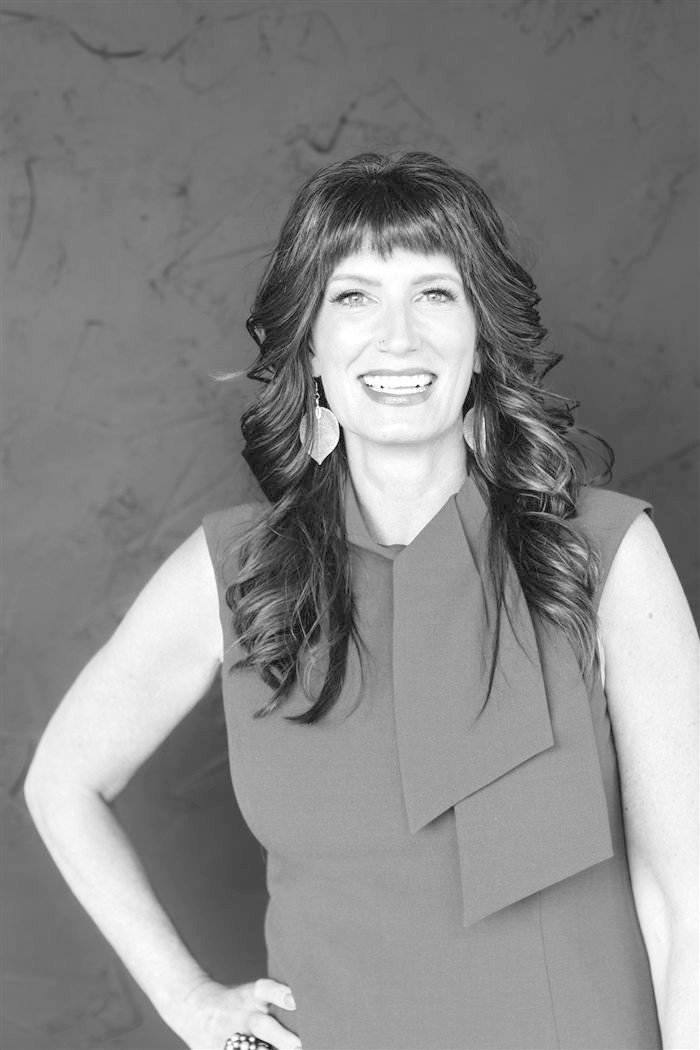
Anne Murphy is CEO of Empowered Fundraiser Consulting, with 35 years leading advancement strategy across higher education and the social impact sector, fundraising for over $10 billion in successful campaigns.
As Lead Fundraiser and Campaign Counsel, Anne guides organizations from feasibility study through campaign celebration, preparing and conducting donor conversations alongside leadership or independently.
Anne is a fundraising educator and professional keynote speaker whose talks cover campaigns, ethics in fundraising, and Responsible AI for Fundraising, Advocacy, and Democracy. She is co-author of the Framework for Responsible AI in Fundraising and co-host of The Daily AI Show.
She lives in Corvallis, Oregon with her family and three doggos.